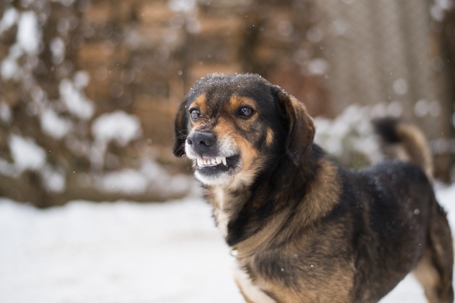
When temperatures drop and snow starts to fall in Minneapolis, many people focus on slippery sidewalks, warming up their cars, and staying healthy during flu season. But one often-overlooked winter hazard? Dog bites. While dog attacks can happen any time of year, winter brings unique environmental and behavioral triggers that make bites more likely, especially during holiday gatherings, neighborhood walks, and encounters with unfamiliar people.
Seasonal Shifts and Canine Behavior: What’s Changing in Winter?
Just like humans, dogs experience mood, energy, and behavior shifts due to environmental changes. In Minnesota, winter brings several disruptions to a dog’s routine:
- Reduced Exercise – Bitter cold and icy sidewalks lead to fewer walks, creating pent-up energy and restlessness.
- Less Socialization – Dogs aren’t seeing their usual playmates or neighborhood walkers, which can increase anxiety or territorial behavior.
- Cold-Weather Irritability – Just like people, dogs can be uncomfortable in extreme temperatures, especially older or arthritic pets.
- Increased Indoor Time — With everyone indoors more often, unfamiliar guests (especially during holidays) are more likely to trigger defensive or fearful behavior.
All of these factors contribute to an increased risk of aggressive outbursts or reactive behavior, even in dogs with no prior history of biting.
When Bites Happen: Common Winter Scenarios
1. Holiday Gatherings
Dogs can become overwhelmed by noisy crowds, holiday decorations, and people invading their space. Children often try to hug or pet unfamiliar dogs, leading to bites.
2. Cold Weather Walks
Bundled-up pedestrians may appear threatening to dogs, especially if visibility is low. Dogs startled by someone passing too close may lash out.
3. Protective Behavior at Home
More indoor activity and visitors can make a dog feel like it must guard its territory. This territorial instinct can lead to nipping or biting when someone enters the home.
4. Interacting with Stray or Off-Leash Dogs
Stray dogs may seek shelter in garages or under porches. Winter creates situations where unfamiliar dogs approach people or pets, leading to unpredictable interactions.
Minnesota’s Dog Bite Laws: What You Need to Know
Minnesota follows a strict liability rule when it comes to dog bites. This is outlined in Minn. Stat. § 347.22, which states:
"If a dog, without provocation, attacks or injures any person who is acting peaceably... the owner is liable in damages."
What this means for victims:
- You do not need to prove the dog had a history of aggression.
- You do not need to prove the owner was negligent.
- You only need to prove that the bite happened and that you were lawfully in the place where it occurred.
Common Injuries from Dog Bites
While some bites cause only minor injuries, others result in serious, life-altering harm:
- Deep puncture wounds and lacerations
- Facial injuries requiring reconstructive surgery (especially in children)
- Nerve damage
- Infections, including rabies or sepsis
- Emotional trauma and PTSD
Dog bites can lead to expensive hospital visits, long-term care, therapy, and cosmetic procedures. Children and the elderly are especially vulnerable.
What to Do After a Dog Bite
- Get Medical Help Immediately – Even small bites can lead to infection.
- Report the Incident – Notify local animal control or police.
- Identify the Dog and Owner – Get names, addresses, and vaccination information.
- Document the Injury – Take photos and keep a journal of symptoms.
- Speak to an Attorney – Consult legal counsel before dealing with the dog owner’s insurance company.
Legal Remedies Available to Victims
If a dog has injured you, you may be entitled to compensation for:
- Medical expenses
- Lost wages
- Pain and suffering
- Scarring or disfigurement
- Psychological harm
In many cases, the dog owner’s homeowner’s or renter’s insurance will cover these damages. However, insurance companies often try to minimize payouts or argue that you provoked the dog. That’s where strong legal representation comes in.
Why Winter Claims Can Be Especially Complicated
Holiday schedules, uncooperative witnesses, or delays in medical treatment can complicate your case. In some cases, the bite may involve a visiting dog from out of town or a dog sitter temporarily responsible for the pet.
Tamburino Law Group understands these nuances and how to build a strong case, even when the facts are disputed.
Why Choose Tamburino Law Group
- Experienced in Minnesota dog bite law
- Skilled in negotiating with insurers
- Understanding of seasonal and situational behavior factors
- Personalized attention and 24/7 availability
We take every bite injury seriously because we know how disruptive, painful, and traumatic they can be, especially when the injury occurs during a time meant for joy and connection.
Minneapolis Dog Bite Lawyer
In conclusion, navigating winter's challenges equips us with the wisdom to continually adapt in protecting our pets, ensuring their comfort and happiness through changing seasons. Should you wish for further guidance or support tailored to your pet's unique needs, consider reaching out to Tamburino Law Group, based in Minneapolis, MN, where our expertise continues to serve and nurture the precious bond between you and your beloved canine companion. Contact us today at (612) 444-5020 to get started.

.2407131209550.png "2024 Best Places To Work")